Music artist profiles: how they guide discovery
@backlinenotes
Music discovery often starts with a small clue. A name on a playlist, a short clip, a single cover, or a recommendation from someone with similar taste. The challenge is turning that clue into a wider picture. Music artist profiles help with that job. They gather the details that explain who an artist is, what they make, and where a listener might begin.
A profile is more than a name and a photo. At its best, it gives context: the artist's sound, the music genre they work in, their notable releases, and the threads that connect one record to another. For a listener, that context can be the difference between saving one track and actually following an artist whose work fits a mood, a routine, or a long-term taste.
OohYeah is a music marketplace for buying and selling gear, hiring music professionals, and discovering artists and releases. That mix matters here, because artist discovery rarely happens in isolation. People who make music, book music, collect music, or simply follow it all look for different signals. A clear profile gives each of them a practical way to judge fit.
What a music artist profile does
A music artist profile is a compact public record of an artist's identity and output. It usually brings together the basics: the artist name, a short description, images, links to releases, and information about style or activity. Some profiles focus on biography. Others lean toward a catalogue of albums and singles. Useful ones do both without burying the music under prose.
The main purpose is orientation. A listener lands on a profile and asks a few quick questions. What does this artist sound like? Which release should be played first? Are they active? Do they fit the mood I am in? Is there enough here to keep exploring? Good profile design answers those questions in a plain, direct way.

This is not about reducing an artist to a few labels. Taste is messy. An artist may move between styles, collaborate widely, or change direction over time. A profile works when it admits that complexity but still gives the reader a starting point. Short, specific descriptions tend to help more than grand claims. "Dreamy guitar music with electronic textures" tells a reader more than "unique and unforgettable sound."
How profiles help listeners judge fit
Listeners do not approach discovery with a blank mind. They arrive with preferences: a favourite music genre, a type of voice, a kind of rhythm, a production style, or the feeling they want from a track. Profiles help by turning those preferences into clues.
The first clue is usually genre and style. Genre labels are useful shorthand, but they can be broad. A profile that adds a few concrete details gives the reader a sharper sense of what to expect. For example, a folk artist who records with minimal drums and close harmonies is a different proposition from a folk artist who leans into orchestral arrangements. The label may be the same, but the listening experience is not.
The second clue is the release history. Albums and singles show how an artist has developed. A listener can see whether the newest work builds on earlier material or marks a sharp change. A debut single may reveal raw energy, while a later album may show more control and range. That timeline helps a reader decide whether to start at the beginning or with the most recent release.
The third clue is consistency. If several releases point in the same direction, a listener can trust that a first impression was not a fluke. If the catalogue shifts, the profile can still help by naming those shifts. This is especially useful for artists who move between styles or work across projects. Clear information prevents a reader from assuming that one track represents everything.
What to look for on an artist profile
Not all profiles are equally useful. Some are polished but thin. Others contain plenty of information but make it hard to find the music. A practical profile usually does a few things well.
- A short description that explains the sound without relying on vague praise.
- A clear list of releases, with the most important albums and singles easy to spot.
- Genre or style details that help a reader compare the artist with known favourites.
- Updated information, so the profile does not point only to old material.
- Links or references that lead from one release to related work.
These details support a simple decision: is this worth a listen? That decision matters because attention is limited. A listener may give a new artist only one or two tracks before moving on. If the profile gives a reason to choose the right track first, the chance of a better match improves.
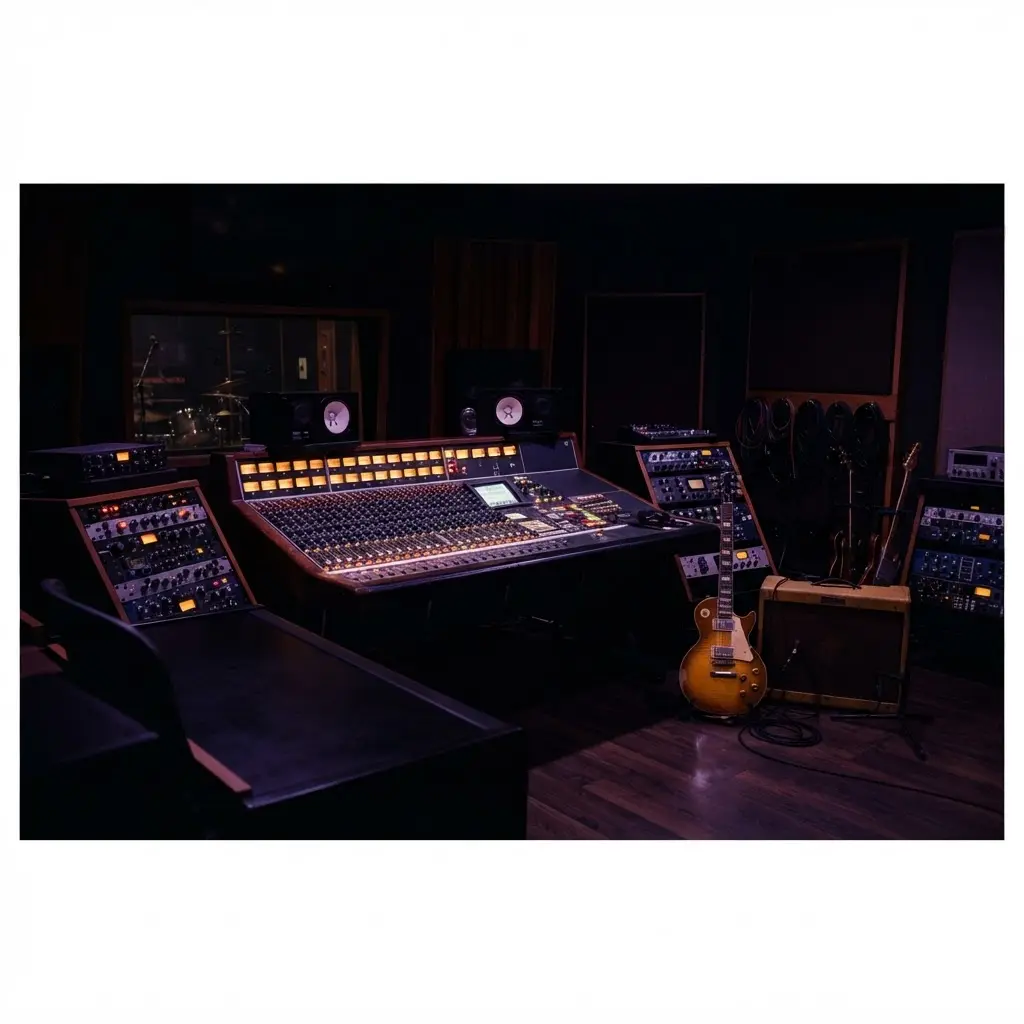
There is also a practical side for people looking beyond casual listening. Someone interested in hiring music professionals may need to understand an artist's style, history, and public output before making contact. A well-organised profile helps that person form a fair view from the information available. The same applies to anyone exploring releases for a collection, a playlist, or a project.
Why context changes the way music feels
Music can hit hard without context, but context changes what a listener notices. Knowing that a track comes from a certain period, scene, or creative shift can make small details more legible. A sparse production may feel intentional rather than unfinished. A sudden change in tempo may read as part of a wider pattern. An unreleased demo may feel rough in a useful way.
This does not mean a profile should tell people what to feel. It should give enough background for listeners to make their own judgment. The best language leaves room. It points to the shape of the work and lets the music do the persuasive part. Overexplaining can be as unhelpful as saying nothing.
For readers, the value is a quicker route from curiosity to informed listening. Instead of sampling tracks at random, they can use the profile as a map. That map may lead to a favourite album, a deeper catalogue, or the decision that the artist is not for them. Both outcomes are useful. Discovery is not only about adding more names. It is also about recognising fit.
Artist profiles also support artist support in a quiet way. When listeners understand who made the music and what they have released, they are more likely to follow the work beyond one popular track. They can look for earlier material, newer releases, or related projects. That attention is more durable than a passing play.
Reading a profile with a critical eye
A profile is a presentation, not a verdict. It may be written by the artist, a label, a platform, or another party, and the wording can favour a certain image. Readers can still use it well by separating facts from claims. Release titles, dates, genres, and listed projects are concrete. Phrases like "groundbreaking" or "essential" are opinions unless backed by clear context.
It is also worth checking whether the profile links to the actual music. Description alone cannot show whether a voice suits a listener or whether a production feels too polished. The profile points; the listening confirms. If a profile keeps sending the reader back to the same single while ignoring the rest of the catalogue, the picture may be incomplete.

On a marketplace such as OohYeah, where music discovery sits alongside gear and professional services, profiles can act as a bridge between interest and action. A listener might start with an artist, move to a release, then explore the wider setting around that sound. Someone with a practical music goal might use the same information to understand a style before searching for equipment or expertise. The profile is the starting reference, not the end point.
What this means for the reader
The useful habit is to treat music artist profiles as tools for comparison. Read the description, scan the releases, note the genre details, then listen with those clues in mind. Ask whether the artist's earlier work supports the first impression. Ask whether the newest release feels like a natural step or a departure. Ask whether the profile gives enough information to make a fair call.
When a profile is clear, discovery becomes less random. A listener can find music that fits a taste without relying only on familiar names or algorithmic repetition. That is the real value of artist profiles: they turn scattered clues into a readable picture, so the next listen has a better chance of being the right one.